Houston
Pearland

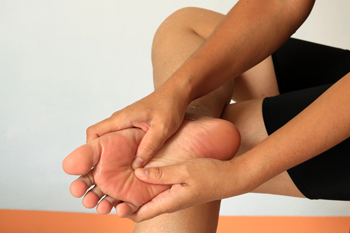 The symptoms that are associated with the condition known as tarsal tunnel syndrome can consist of numbness and tingling on the bottom of the foot. This can be a result of pressure that is exerted on the tibial nerve which is located in the ankle area. Relief may be found when orthotics are worn, and this may help to reduce strain on this nerve. In severe cases, surgery may be a necessary option that can successfully release tension. As the foot heals, certain stretches can be performed that can help to increase range of motion in your ankle. If you are experiencing pain, numbness, or a tingling feeling on the sole of your foot, it is strongly recommended that you are under the care of a podiatrist who can properly diagnose and treat tarsal tunnel syndrome.
Tarsal tunnel syndrome can be very uncomfortable to live with. If you are experiencing tarsal tunnel syndrome, contact Dr. Linda D. Nachmani of Central Foot & Ankle Associates. Our doctor can provide the care you need to keep you pain-free and on your feet.
Tarsal Tunnel Syndrome
Tarsal tunnel syndrome, which can also be called tibial nerve dysfunction, is an uncommon condition of misfiring peripheral nerves in the foot. The tibial nerve is the peripheral nerve in the leg responsible for sensation and movement of the foot and calf muscles. In tarsal tunnel syndrome, the tibial nerve is damaged, causing problems with movement and feeling in the foot of the affected leg.
Common Cause of Tarsal Tunnel Syndrome
The Effects of Tarsal Tunnel Syndrome
A physical exam of the leg can help identify the presence of tarsal tunnel syndrome. Medical tests, such as a nerve biopsy, are also used to diagnose the condition. Patients may receive physical therapy and prescriptive medication. In extreme cases, some may require surgery.
If you have any questions please feel free to contact one of our offices located in Houston, and Pearland, TX. We offer the newest diagnostic and treatment technologies for all your foot and ankle needs.
Read more about Tarsal Tunnel SyndromePlantar fasciitis is one of the most common causes of heel pain. The plantar fascia is the thick band of tissue that connects the heel bone to the toes. When this band of connective tissue becomes inflamed, plantar fasciitis occurs. Fortunately, this condition is treatable.
There are several factors that may put you at a greater risk for developing plantar fasciitis. One of the biggest factors is age; plantar fasciitis is common in those between the ages of 40 to 60. People who have jobs that require them to be on their feet are also likely to develop plantar fasciitis. This includes factory workers, teachers, and others who spend a large portion of their day walking around on hard surfaces. Another risk factor is obesity because excess weight can result in extra stress being placed on the plantar fascia.
People with plantar fasciitis often experience a stabbing pain in the heel area. This pain is usually at its worst in the morning, but can also be triggered by periods of standing or sitting. Plantar fasciitis may make it hard to run and walk. It may also make the foot feel stiff and sensitive, which consequently makes walking barefoot difficult.
Treatment for plantar fasciitis depends on the severity of the specific case of the condition. Ice massage applications may be used to reduce pain and inflammation. Physical therapy is often used to treat plantar fasciitis, and this may include stretching exercises. Another treatment option is anti-inflammatory medication, such as ibuprofen.
If you suspect that you have plantar fasciitis, meet with your podiatrist immediately. If left untreated, symptoms may lead to tearing and overstretching of the plantar fascia. The solution is early detection and treatment. Be sure to speak with your podiatrist if you are experiencing heel pain.
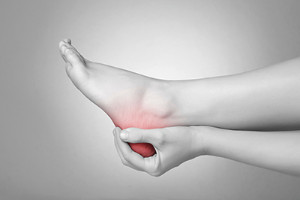 Those suffering from plantar fasciitis are often familiar to the heel pain that is associated with this condition. To help ease the discomfort of plantar fasciitis, there are a few methods you can practice. To begin, you should regularly rest and elevate the affected area. Icing your feet can also help with relieving pain as well as inflammation. Some patients have found the use of custom orthotics to be helpful. Ill-fitting footwear is often a common cause for plantar fasciitis, so using custom orthotics can be helpful in preventing this ailment from becoming worse. Lastly, regularly performing foot and calf stretches can be beneficial in reducing the pain of plantar fasciitis. For more information on how to treat this condition, please consult with a podiatrist for professional care.
Plantar fasciitis is a common foot condition that is often caused by a strain injury. If you are experiencing heel pain or symptoms of plantar fasciitis, contact Dr. Linda D. Nachmani from Central Foot & Ankle Associates. Our doctor can provide the care you need to keep you pain-free and on your feet.
What Is Plantar Fasciitis?
Plantar fasciitis is one of the most common causes of heel pain. The plantar fascia is a ligament that connects your heel to the front of your foot. When this ligament becomes inflamed, plantar fasciitis is the result. If you have plantar fasciitis you will have a stabbing pain that usually occurs with your first steps in the morning. As the day progresses and you walk around more, this pain will start to disappear, but it will return after long periods of standing or sitting.
What Causes Plantar Fasciitis?
There are some risk factors that may make you more likely to develop plantar fasciitis compared to others. The condition most commonly affects adults between the ages of 40 and 60. It also tends to affect people who are obese because the extra pounds result in extra stress being placed on the plantar fascia.
Prevention
There are a variety of treatment options available for plantar fasciitis along with the pain that accompanies it. Additionally, physical therapy is a very important component in the treatment process. It is important that you meet with your podiatrist to determine which treatment option is best for you.
If you have any questions, please feel free to contact one of our offices located in Houston, and Pearland, TX. We offer the newest diagnostic and treatment technologies for all your foot care needs.
Read more about Plantar Fasciitis
Being a parent involves caring for your child in every way you can. You make sure they are eating the right food, being nice to others, and staying out of any trouble. However, it is also important that you are watchful of their health, more specifically their foot health. Maintaining good foot health in childhood is important in preventing later conditions in life from happening. As children continue to develop, their feet require different techniques of care. Here are some various ways in which you can help your child’s feet stay healthy.
A baby needs a lot of care and attention overall, but the importance of their feet should never be forgotten. Before a baby turns one, their feet change and develop greatly. It is important that during this time, a mother avoids putting tight socks on their child. She should also encourage movement of their feet so the baby can begin to feel more comfortable using them.
As a baby enters the toddler years of his or her life, they are begin to walk around. When your baby begins to take those first steps, it is crucial that they are wearing protective shoes on their feet. As a mother that is observant of your child’s feet, you may notice changes in them. This is completely normal as the feet are becoming susceptible to the activity of walking. It is normal for a toddler to be a bit unsteady or to “walk funny” at first.
When your child grows out of their toddler years, it is important that you begin to show him or her how to care for their feet on their own. Practice with your child proper hygiene in order to prevent foot fungus or infection. Since children are constantly on the move, it is crucial to be cautious of any accidents or injuries that might occur. If an injury occurs, it is advised that you take your child to be examined by a doctor immediately. Since your child is still growing, particular injuries can shift the way in which a bone or other important part of the foot is developing.
Babies and kids are always changing and growing. Your job as a parent is to make sure they stay healthy and making sure they are properly maintained. This involves proper foot care and making sure the feet stay healthy. Following this guide, your child can live a long and happy life.
 Children’s foot care can often be overlooked by parents. However, keeping your child’s feet healthy can have beneficial long term effects. To help your child in keeping their feet healthy and strong, it’s suggested that you support them when they kick or wiggle their feet, as these motions help to build strength and muscle. It’s also important to refrain from putting restrictive footwear, such as tightly fitted booties, on your child’s feet. Any socks or foot coverings that are worn by the child should be loosely fitted and made of a breathable material. To keep the feet clean, wash and dry your child’s feet thoroughly everyday, making sure to get in between their toes as well. As your child grows, you may want to pay close attention to if their toes turn out a lot, if one foot turns in more than the other, or if by 18 months they’re still not walking at all, in which case you should seek the advice of a professional. For more information about keeping your child’s feet healthy, it’s suggested that you speak with a podiatrist.
Making sure that your children maintain good foot health is very important as they grow. If you have any questions, contact Dr. Linda D. Nachmani of Central Foot & Ankle Associates. Our doctor can provide the care you need to keep you pain-free and on your feet.
Keeping Children's Feet Healthy
Having healthy feet during childhood can help prevent medical problems later in life, namely in the back and legs. As children grow, their feet require different types of care. Here are some things to consider...
Although babies do not walk yet, it is still very important to take care of their feet.
Avoid putting tight shoes or socks on his or her feet.
Allow the baby to stretch and kick his or her feet to feel comfortable.
As a toddler, kids are now on the move and begin to develop differently. At this age, toddlers are getting a feel for walking, so don’t be alarmed if your toddler is unsteady or ‘walks funny’.
As your child gets older, it is important to teach them how to take care of their feet.
Show them proper hygiene to prevent infections such as fungus.
Be watchful for any pain or injury.
Have all injuries checked by a doctor as soon as possible.
Comfortable, protective shoes should always be worn, especially at play.
If you have any questions please feel free to contact one of our offices located in Houston, and Pearland, TX. We offer the newest diagnostic and treatment technologies for all your foot and ankle needs.
Read more about What to Do to Keep Your Child’s Feet HealthyEach foot, on average, has about 250,000 eccrine sweat glands that produce half a pint of sweat each day. Sweating is a natural and important bodily function. It regulates the body’s temperature by cooling the skin so that it does not overheat. In individuals with hyperhidrosis, the sympathetic nervous system works in "overdrive", producing far more sweat than what is required. People with plantar hyperhidrosis experience an excess amount of sweat on their feet. It is estimated that 2% to 3% of all Americans suffer from some form of hyperhidrosis. This condition is often caused by neurologic, endocrine, infectious, and other systemic disease. Other factors that may trigger the condition are heat and emotions.
People with hyperhidrosis may notice an overabundance of sweat on their feet, along with a strong odor. The feet may also have a wet appearance coupled with infections such as athlete’s foot or toenail fungus. The sweat may even appear in low temperatures, such as during the winter months. People with plantar hyperhidrosis often need to change their socks several times throughout the day.
The specific cause of hyperhidrosis is unknown, and many believe it may be caused by over-activity. However, others believe the condition is genetic. Caffeine and nicotine are known to cause excitement and nervousness which are two emotions that may make the condition worse.
If you are looking to treat your hyperhidrosis the most important thing you should do is wash your feet every day. You may even need to wash your feet twice a day, if necessary. You should also make sure you are wearing the right socks. Wool and cotton socks are both known to be good for ventilation, meaning they allow the feet to breathe. You should avoid socks made from nylon which trap moisture and lead to sogginess. Other common treatment options are over-the-counter antiperspirants that contain a low dose of metal salt. In some cases, prescription strength antiperspirants that contain aluminum chloride hexahydrate may be necessary. In severe cases, surgery may be required.
Untreated hyperhidrosis can easily lead to complications. Some complications that may arise from the disorder include nail infections, warts, and bacterial infections. Consequently, it is important that you seek treatment from your podiatrist if you suspect that you may have plantar hyperhidrosis.
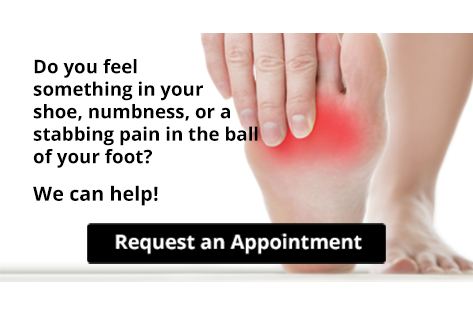
Suffering from this type of pain? You may have the foot condition known as Morton's neuroma. Morton's neuroma may develop as a result of ill-fitting footwear and existing foot deformities. We can help.
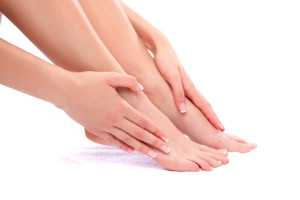 Hyperhidrosis is the medical term that is used to define excessive sweating. Some patients have feet that sweat for the majority of the day, and this is referred to as plantar hyperhidrosis. It may happen as a result of anxiety, hormonal changes, or living in a hot environment. This condition may cause embarrassment during the day as the feet begin to slide in certain types of shoes. Additionally, rashes may develop, and there may be an odor coming from the feet. It is beneficial to wear shoes that are made of breathable materials, and comfort may be found when foot powder is frequently sprinkled in the shoes. If you have symptoms of plantar hyperhidrosis, it is strongly suggested that you consult with a podiatrist who can help you to manage this condition.
If you are suffering from hyperhidrosis contact Dr. Linda D. Nachmani of Central Foot & Ankle Associates. Our doctor can provide the care you need to attend to all of your foot and ankle needs.
Hyperhidrosis of the Feet
Hyperhidrosis is a rare disorder that can cause people to have excessive sweating of their feet. This can usually occur all on its own without rigorous activity involved. People who suffer from hyperhidrosis may also experience sweaty palms.
Although it is said that sweating is a healthy process meant to cool down the body temperature and to maintain a proper internal temperature, hyperhidrosis may prove to be a huge hindrance on a person’s everyday life.
Plantar hyperhidrosis is considered to be the main form of hyperhidrosis. Secondary hyperhidrosis can refer to sweating that occurs in areas other than the feet or hands and armpits. Often this may be a sign of it being related to another medical condition such as menopause, hyperthyroidism and even Parkinson’s disease.
In order to alleviate this condition, it is important to see your doctor so that they may prescribe the necessary medications so that you can begin to live a normal life again. If this is left untreated, it is said that it will persist throughout an individual’s life.
A last resort approach would be surgery, but it is best to speak with your doctor to find out what may be the best treatment for you.
If you have any questions please feel free to contact one of our offices located in Houston, and Pearland, TX. We offer the newest diagnostic and treatment technologies for all your foot and ankle needs.
Read more about Hyperhidrosis of the FeetGout, typically found in diabetic patients, is an unusually painful form of arthritis caused by elevated levels of uric acid in the bloodstream. The condition typically strikes the big joint on the big toe. It has also been known to strike the knees, elbows, fingers, ankles and wrists—generally anywhere that has a functioning, moving joint.
The high level of uric acid in a person’s bloodstream creates the condition known as hyperuricema—the main cause of gout. Genetic predisposition occurs in nine out of ten sufferers. The children of parents who suffer gout will have a two in ten chance of developing the condition as well.
This form of arthritis, being particularly painful, is the leftover uric acid crystallizing in the blood stream. The crystallized uric acid then travels to the space between joints where they rub, causing friction when the patient moves. Symptoms include: pain, redness, swelling, and inflammation. Additional side effects may include fatigue and fever, although reports of these effects are very rare. Some patients have reported that pain may intensify when the temperature drops, such as when you sleep.
Most cases of gout are easily diagnosed by a podiatrist’s assessment of the various symptoms. Defined tests can also be performed. A blood test to detect elevated levels of uric acid is often used as well as an x-ray to diagnose visible and chronic gout.
Treatment for gout simply means eliminating symptoms. Non-steroid anti-inflammatory drugs or NSAIDs (Colchicine and other corticosteroid drugs, etc.) will quell the redness, the swelling, and the inflammation. However, managing your diet, lifestyle changes, and using preventative drugs are all helpful toward fully combating the most severe cases.
Those that lead an inactive lifestyle are at a higher risk for gout. Any amount of exercise decreases the probability of repeat encounters with the condition. Reducing your consumption of red meat, sea food, and fructose-sweetened drinks also reduces the likelihood of chronic gout as well.
Ingesting Vitamin C, coffee, and particular dairy products can help with maintaining a healthy lifestyle. There are new drugs out on the market that inhibit the body’s production of uric acid-producing enzymes. However, reducing or eliminating your overall levels of uric acid is the best remedy to ensuring you lead a gout-free life.
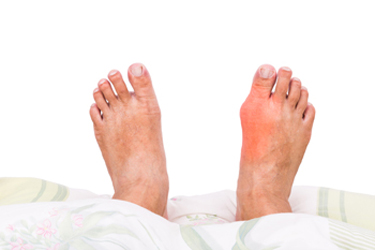 Severe pain in the big toe is a common symptom of gout. It is a form of arthritis that attacks the joints in the toes, and additional signs of this condition can include swelling and redness. The risk of getting gout may be increased by having existing medical ailments that can include diabetes, hypertension, and obesity. Outside influences may consist of genetic factors, eating foods that have high purine levels, and drinking excess alcohol. Gout attacks may be prevented by eating healthy foods, and incorporating a gentle exercise program into your daily routine. It is important to drink plenty of water daily, as this may help to lower uric acid levels that can cause gout. If you are afflicted with gout, it is suggested that you are under the care of a podiatrist who can help you to manage this condition.
Gout is a painful condition that can be treated. If you are seeking treatment, contact Dr. Linda D. Nachmani from Central Foot & Ankle Associates. Our doctor will treat your foot and ankle needs.
What Is Gout?
Gout is a form of arthritis that is characterized by sudden, severe attacks of pain, redness, and tenderness in the joints. The condition usually affects the joint at the base of the big toe. A gout attack can occur at any random time, such as the middle of the night while you are asleep.
Symptoms
Risk Factors
Prior to visiting your podiatrist to receive treatment for gout, there are a few things you should do beforehand. If you have gout you should write down your symptoms--including when they started and how often you experience them, important medical information you may have, and any questions you may have. Writing down these three things will help your podiatrist in assessing your specific situation so that he or she may provide the best route of treatment for you.
If you have any questions, please feel free to contact one of our offices located in Houston, and Pearland, TX. We offer the newest diagnostic and treatment technologies for all your foot care needs.
Read more about Everything You Need to Know About Gout