Houston
Pearland

The ankle joint is the point at which the bones of the leg and foot join. This joint is crucial because it is responsible for the foot’s mobility. Ankle pain is typically the result of inflammation from an injury to bones, joint space, cartilage, ligaments, tendons, or muscles in the area. Commonly associated symptoms with ankle pain are bruising, redness, numbness, stiffness, weakness, and tingling.
The most common causes of ankle pain are sprains and injuries. Ankle sprains are one of the most common musculoskeletal injuries. Sprains occur when the ligaments of the ankle become partially or completely torn due to sudden stretching. Sprains can occur on either the inner or outer sides of the ankle joint. Usually, these injuries occur when the ankle is twisted in an activity by stepping off an uneven surface. More specific causes include rheumatoid arthritis, gout, osteoarthritis, and Achilles tendonitis.
If you are experiencing ankle pain, you should consult with your podiatrist to choose the best method of care for you. Your doctor will conduct an examination of your ankle to determine the underlying cause of the pain.
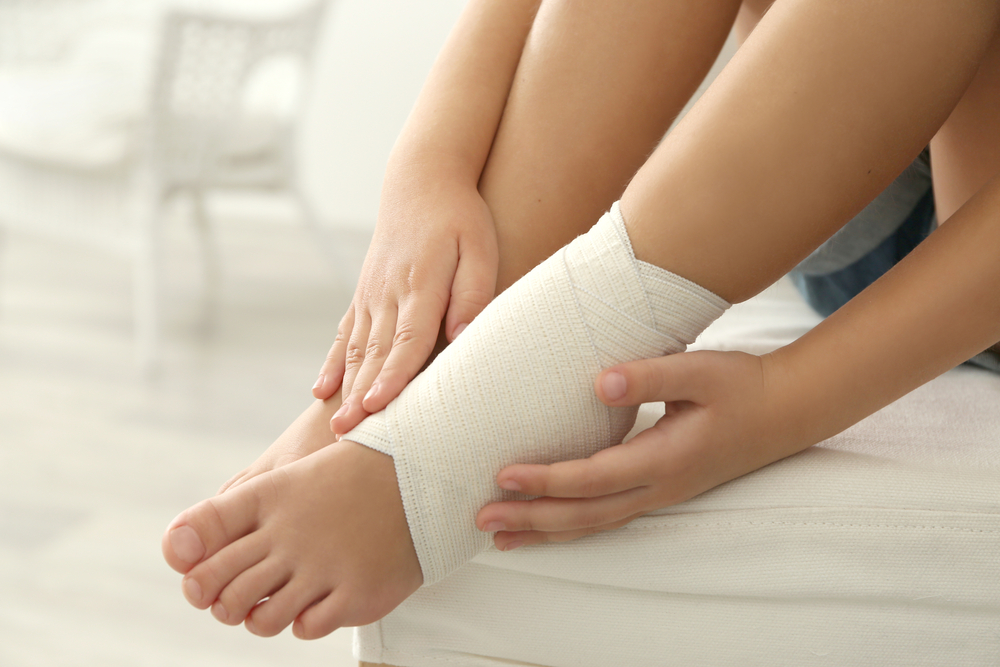 Ankle pain may originate from several sources, which may include sprains, fractures, or arthritis. The pain may be acute or develop gradually, and this may depend on what the cause is. Burning, aching or throbbing may accompany different types of ankle pain, and a proper diagnosis needs to be performed, which may aid in determining the reason for the pain and discomfort. This may include having an X-ray and a physical examination completed, and additional imaging procedures may be necessary if the ankle pain is severe. Ankle sprains are common injuries and may occur from unexpectedly stepping off a curb or engaging in an activity in which the ankle rolls inward. The tendons in the ankle attach to the bone, and if these should become inflamed, a condition known as ankle tendonitis may occur. If you have any form of ankle pain, it is suggested to counsel with a podiatrist who can guide you to begin the correct treatment.
Ankle pain can have many different causes and the pain may potentially be serious. If you have ankle pain, consult with Dr. Linda D. Nachmani from Central Foot & Ankle Associates. Our doctor will assess your condition and provide you with quality foot and ankle treatment.
Ankle pain is any condition that causes pain in the ankle. Due to the fact that the ankle consists of tendons, muscles, bones, and ligaments, ankle pain can come from a number of different conditions.
Causes
The most common causes of ankle pain include:
Symptoms
Symptoms of ankle injury vary based upon the condition. Pain may include general pain and discomfort, swelling, aching, redness, bruising, burning or stabbing sensations, and/or loss of sensation.
Diagnosis
Due to the wide variety of potential causes of ankle pain, podiatrists will utilize a number of different methods to properly diagnose ankle pain. This can include asking for personal and family medical histories and of any recent injuries. Further diagnosis may include sensation tests, a physical examination, and potentially x-rays or other imaging tests.
Treatment
Just as the range of causes varies widely, so do treatments. Some more common treatments are rest, ice packs, keeping pressure off the foot, orthotics and braces, medication for inflammation and pain, and surgery.
If you have any questions, please feel free to contact one of our offices located in Houston, and Pearland, TX. We offer the newest diagnostic and treatment technologies for all your foot care needs.
Read more about Ankle Pain
Have you ever gotten up from a chair or out of bed in the morning, and upon taking that first step, feel like your heel has stepped on a tack? Many people experience a feeling of sharp pain which radiates into their arch from their heel and which does not allow them to put their heel on the floor. Sometimes they need to sit back down, stand only on their toes and use the wall for balance. If you can take a few steps, it seems to go away and lessen, allowing you to then resume your activity. Later, throughout your day and after a period of rest, it can happen again. If this sounds familiar you may be suffering from your first attack of heel pain.
Heel pain is a debilitating condition that affects day to day activities. Running and walking both causes stress on the heel because the heel is the part of the foot that hits the ground first. This means that the heel is taking on your entire weight. Diagnosis and treatments for heel pain can be easily found through your podiatrist.
Plantar Fasciitis
One of the main causes of heel pain is a condition known as plantar fasciitis. The plantar fascia is a band of tissue that extends along the bottom of the foot, from the toe to the bottom of the heel. A rip or tear in this ligament can cause inflammation of these tissues, resulting in heel pain. People who do not wear proper fitting shoes are often at risk of developing problems such as plantar fasciitis. Unnecessary stress from ill-fitting shoes, weight change, excessive running, and wearing non-supportive shoes on hard surfaces are all causes of plantar fasciitis.
Achilles Tendonitis
Achilles tendonitis is another cause of heel pain. Similar to plantar fasciitis, inflammation of the Achilles tendon will cause heel pain due to stress fractures and muscle tearing. A lack of flexibility of the ankle and heel is an indicator of Achilles tendonitis. If left untreated, this condition can lead to plantar fasciitis and cause even more pain on your heel.
Heel Spur
A third cause of heel pain is a heel spur. A heel spur occurs when the tissues of the plantar fascia undergo a great deal of stress, leading to a separation of the ligament from the heel bone entirely. This results in a pointed fragment of bone on the ball of the foot, known as a heel spur.
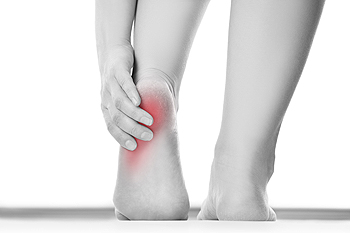 Research has shown that heel pain is considered to be the most common form of pain in the feet. There may be several reasons why this type of pain may occur, including an injury that has happened to the Achilles tendon, a condition that is referred to as plantar fasciitis, in addition to heel spurs. If this type of pain is caused by an injury, the pain will most likely be sudden and severe. If an injury did not occur, heel pain may be experienced gradually, which may often lead to severe discomfort. A common reason why heel pain begins may be related to the type of shoes that are worn, which may lead to additional foot conditions developing. If you are experiencing any type of heel pain, it is strongly suggested to consult with a podiatrist who can determine the reason for this, and to discuss correct treatment options.
Many people suffer from bouts of heel pain. For more information, contact Dr. Linda D. Nachmani of Central Foot & Ankle Associates. Our doctor can provide the care you need to keep you pain-free and on your feet.
Causes of Heel Pain
Heel pain is often associated with plantar fasciitis. The plantar fascia is a band of tissues that extends along the bottom of the foot. A rip or tear in this ligament can cause inflammation of the tissue.
Achilles tendonitis is another cause of heel pain. Inflammation of the Achilles tendon will cause pain from fractures and muscle tearing. Lack of flexibility is also another symptom.
Heel spurs are another cause of pain. When the tissues of the plantar fascia undergo a great deal of stress, it can lead to ligament separation from the heel bone, causing heel spurs.
Why Might Heel Pain Occur?
Treatments
Heel pain should be treated as soon as possible for immediate results. Keeping your feet in a stress-free environment will help. If you suffer from Achilles tendonitis or plantar fasciitis, applying ice will reduce the swelling. Stretching before an exercise like running will help the muscles. Using all these tips will help make heel pain a condition of the past.
If you have any questions please contact one of our offices located in Houston, and Pearland, TX. We offer the newest diagnostic and treatment technologies for all your foot and ankle needs.
Read more about Heel PainExtracorporeal Shockwave Therapy (ESWT) is an alternative treatment method that is used for bone and soft tissue disorders in the foot and ankle. EWST is a noninvasive option for pain relief and it was originally created to help dissolve kidney stones. This therapy works by focusing impulses to target the area in pain. This method has been proven to show a reduction in the amount of nerve fibers that transmit painful impulses, which leads to a reduction in pain. Shockwave therapy can also expedite the tissue which would, in turn, increase the amount of new blood vessels that are formed.
Conditions that can be treated with shockwave therapy include Achilles pain and heel pain. People with plantar fasciitis may opt for this therapy and the results are usually great after 18 months. Additionally, this method can also be used to treat fractures that have failed to heal correctly. Anesthesia is not required to perform this treatment. It usually is not painful, but it can be uncomfortable.
The duration of treatment sessions usually lasts 5-15 minutes each. This procedure is safe since there is no risk of infection from wound complications, if you are looking to try shockwave therapy to heal plantar fasciitis, it may take 3-4 sessions to start working. After treatment, patients typically notice a dull pain in the area which was treated. However, this pain rarely lasts more than 24 hours.
Nevertheless, there are pros and cons that come along with Shockwave Therapy. The most obvious pro is that this treatment is noninvasive, meaning surgery will not be required. Another upside is that there have been very little complications that have been found with this procedure. On the other hand, those who opt for surgery are at risk for continued pain, wound problems, and infections. The biggest con for ESWT is that it is very expensive; it typically costs around $1,000 before insurance. Another con is that the effectiveness of the treatment is questionable. Usually, if this treatment is helpful, the difference is small.
If you are curious about Shockwave Therapy, you should talk to your podiatrist to see if this treatment method is right for you. At times, patients will find that there are other treatment options that are more efficient for their individual cases.
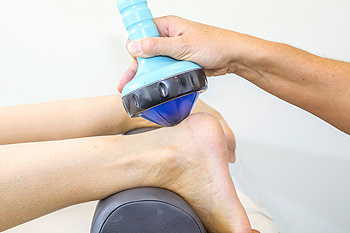 The benefits of using a method that is referred to as shockwave therapy may be experienced as accelerated pain relief and ease in mobility. It is defined as an acoustic energy wave that may provide relief to patients who have chronic foot conditions. It is administered through an applicator that consists of compressed air and is injected into the affected area. It may be effective in improving blood flow to the damaged tissue, in addition to stimulating the formation of new blood vessels. It has been known to reverse chronic inflammation, and this may bring moderate desired relief. If you would like additional information about shockwave therapy, please consult with a podiatrist to see if this type of treatment is correct for you.
Shockwave therapy is a treatment commonly used to treat various injuries and conditions, particularly plantar fasciitis in the feet. To learn more, consult with Dr. Linda D. Nachmani from Central Foot & Ankle Associates. Our doctor can provide the care you need to keep you pain-free and on your feet.
Shockwave Therapy
Shockwave therapy is a new treatment option designed to treat bone conditions such as tennis elbow, shoulder pain, and others. Shockwave therapy uses high intensity sound waves that are directed to the affected tissues of the body with pinpoint accuracy. The effects are very beneficial, leading to a production of collagen fibers, eliminating inflammation.
Who Benefits from Shockwave?
Shockwave is recommended for patients suffering from heel pain and associated problems. Heel pain is a common condition which can be caused by obesity, overexertion, and spending a substantial amount of time on hard floors with your feet exposed and unsupported.
Fast and Easy
The therapy is actually a simple process that can leave patients feeling better the very next day. Shockwave therapy is not as dramatic as it sounds. It enables more blood flow to effected areas, addressing the source of the problem and allowing treatment to last for a long time.
Treatment & Recovery Time
Shockwave treatment will enable your feet to recover quickly. This is especially important since surgery is not required. It is cost effective and does not require the use of anesthesia. This treatment is a better option to surgery, since it is proven safe.
If you have any questions, please feel free to contact one of our offices located in Houston, and Pearland, TX. We offer the newest diagnostic and treatment technologies for all your foot and ankle needs.
Read more about Shockwave TherapyHigh heels are uncomfortable, but many women sacrifice comfort to be stylish. There are many problems that stem from wearing high heels, however these issues can be avoided by wearing proper shoes.
Heels are bad because they push your weight forward toward the fall of the foot. The higher the heel is, the more weight and pressure get shifted. This process causes the back to hyperextend backwards to counterbalance which may cause pain in the leg, hip, and back. Consequently, major posture problems may occur, and these issues may eventually become permanent.
Wearing high heels is one of the leading cause of ingrown toenails. Heels create a great deal of pressure on the big toenails which disrupts proper toenail growth. This may eventually lead to the big toenail growing into the skin. Another common problem that stems from high heels is bunions. If bunions go untreated, they can cause serious scar tissue to form along with severe pain.
However, there are ways to minimize the harmful risks associated with wearing heels. You should try to massage and stretch your legs and feet after wearing heels for an extended time. Stretching helps prevent the Achilles tendons and calf muscles from becoming too tight. A good substitute for heels are platforms which provide a better surface area to evenly distribute the body’s weight.
If you are experiencing any painful foot conditions from wearing high heels, you should consult with your podiatrist right away.
 Women who enjoy wearing high heels are aware of the visual benefits from wearing this type of shoe, which may be a pleasing accessory to stylish clothing, or enhancing the shape of the foot. Research has shown that if high heels are frequently worn, the possibility of developing plantar fasciitis may increase. This may be a result of uneven weight distribution, which may force the arch to gravitate into a position that is unnatural. This may lead to possible deterioration of the plantar fascia, which is known as the band of tissue that connects the heel bone to the toes. Additionally, many women experience pain in the Achilles tendon, and this may be a result of weakened calf muscles. If high heels are a crucial element to your wardrobe, it may be wise to choose shoes with a lower heel that offers more support. Your feet may feel better if gentle stretches are performed before wearing this type of shoe for any length of time, and this may aid in keeping the calf muscles strong. If you would like additional information about how high heels can affect the feet, please consult with a podiatrist.
High heels have a history of causing foot and ankle problems. If you have any concerns about your feet or ankles, contact Dr. Linda D. Nachmani from Central Foot & Ankle Associates. Our doctor can provide the care you need to keep you pain-free and on your feet.
Effects of High Heels on the Feet
High heels are popular shoes among women because of their many styles and societal appeal. Despite this, high heels can still cause many health problems if worn too frequently.
Which Parts of My Body Will Be Affected by High Heels?
What Kinds of Foot Problems Can Develop from Wearing High Heels?
How Can I Still Wear High Heels and Maintain Foot Health?
If you want to wear high heeled shoes, make sure that you are not wearing them every day, as this will help prevent long term physical problems. Try wearing thicker heels as opposed to stilettos to distribute weight more evenly across the feet. Always make sure you are wearing the proper shoes for the right occasion, such as sneakers for exercising. If you walk to work, try carrying your heels with you and changing into them once you arrive at work. Adding inserts to your heels can help cushion your feet and absorb shock. Full foot inserts or metatarsal pads are available.
If you have any questions please feel free to contact one of our offices located in Houston, and Pearland, TX. We offer the newest diagnostic and treatment technologies for all your foot and ankle needs.
Read more about Effect of High Heels on the FeetAs you grow older, you will start to notice more problems with your feet due to wear and tear. This may also happen because the skin will start to become thin and lose elasticity. Some signs of aging feet are regular aches and pains, bunion development, and clawed toes.
Fortunately, there are ways you can improve comfort, relieve pain, and maintain mobility in your feet. One of the best ways to deal with aging feet is to exercise. If you keep active, your muscles will become toned which will then strengthen the arches in the foot and stimulate blood circulation.
It is important that you practice proper foot care to protect your aging feet. You should wash your feet in warm water on an everyday basis. Afterward, the feet need to be dried well and it is important to dry between the toes. Your toenails should be trimmed and kept under control; nails that are poorly cut may become ingrown. At the end of each day, performing an inspection of your feet will allow you to detect any ailments in their early stages.
As you grow older, it becomes more important that you wear comfortable shoes. Your shoes should be secure, and they should provide decent arch support. If you are looking to buy a new pair of shoes, it is best to look for a pair that are made from a breathable material. It is also helpful to have shoes that have a bit of extra room at the top of the shoe, especially if you suffer from swollen feet.
The most common foot problems that elderly people will encounter are bunions, calluses, corns, hammertoes, heel pain, and foot problems related to diabetes. Some other issues include arch pain, tarsal tunnel syndrome, Achilles tendonitis, and Morton’s neuroma
An annual foot examination is a great way for you to ensure that you do not have any serious health problems with your feet. You should talk to a podiatrist about the available treatment options for whichever foot issue you are dealing with.
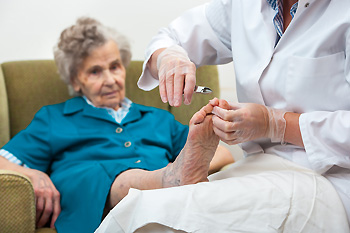 Many people are aware of how having healthy feet can benefit the overall health of the body. As the aging process occurs, it may become difficult to perform daily foot inspections, which may prevent specific foot conditions from occurring. When the feet are properly looked after, improved muscle strength may be noticed, walking may become easier, and having stronger feet may prevent unnecessary falling from occurring. When practicing certain preventative measures, foot ailments that may include bunions and fungal infections of the feet or toenails may be avoided. Additionally, frequent soaking of the feet may aid in properly trimming the toenails and may provide relief if an ingrown toenail is present. If you would like additional information about the importance of properly caring for elderly feet, it is advised to seek the counsel of a podiatrist.
Proper foot care is something many older adults forget to consider. If you have any concerns about your feet and ankles, contact Dr. Linda D. Nachmani from Central Foot & Ankle Associates. Our doctor can provide the care you need to keep you pain-free and on your feet.
The Elderly and Their Feet
As we age we start to notice many changes in our body, but the elder population may not notice them right away. Medical conditions may prevent the elderly to take notice of their foot health right away. Poor vision is a lead contributor to not taking action for the elderly.
Common Conditions
Susceptible Infections
Diabetes and poor circulation can cause general loss of sensitivity over the years, turning a simple cut into a serious issue.
If you have any questions please feel free to contact one of our offices located in Houston, and Pearland, TX. We offer the newest diagnostic and treatment technologies for all your foot and ankle needs.
Read more about Elderly Foot Care